Sonoma, CA · Garage Door Service
Why Sonoma's Older Garage Doors Struggle on Cold Mornings
Sonoma homes built 1947-1988 often still have original torsion springs that snap on cold mornings. Here's what local weather and housing age mean for repairs.
- Repairs & new doors
- Springs & openers
- Serving 6 nearby communities
How Local Conditions Play In
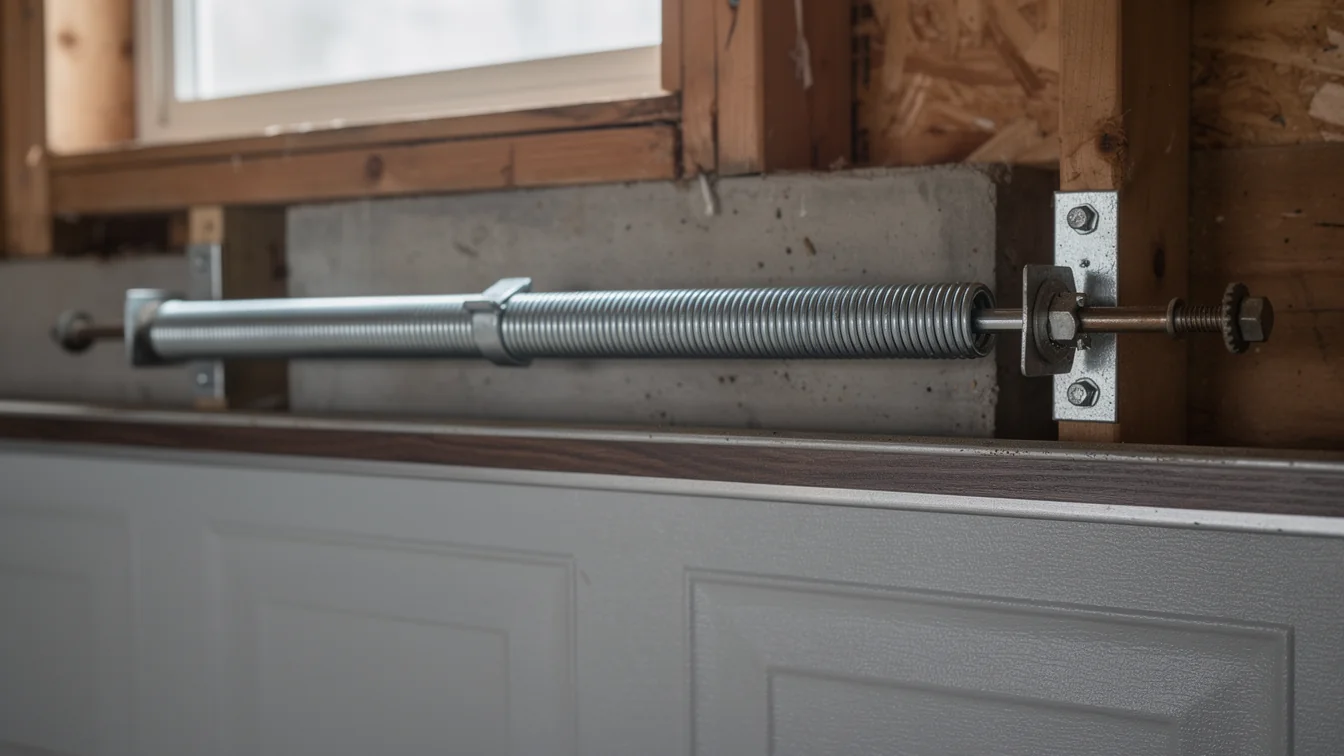
Sonoma sits in a mild climate band, but it still gets freeze mornings often enough to matter for a garage door. Steel doesn't care that the afternoon will warm back up to 60 - a torsion spring that's been coiled tight for decades contracts a little more on a 34-degree morning, and that's exactly when the metal fatigue that's been building for years finally gives. Most of the housing stock in this service area went up between 1947 and 1988, with the median build year landing around 1969. That means a lot of doors out there are running hardware that was installed when gas was under a dollar, sized for a mild climate that doesn't get hard freezes but does get enough cold snaps to matter. We're not talking about ice storms. We're talking about the kind of morning where the dew is still frost on the lawn when you back out for work, and that's enough to turn a spring that was already near the end of its cycle count into a loud bang in the garage. The age of the house tells you more about what's likely to fail than the forecast does.
What Most People Get Wrong
The mistake we see most is homeowners assuming that because Sonoma doesn't get real winters, the door hardware doesn't age the way it would somewhere colder. It still ages - just more slowly, and that's part of the trap. A spring installed when a house was built in the 1960s or 70s has had fifty-plus years of open-close cycles, and the occasional freeze morning adds stress at exactly the point in the coil that's already thinnest from fatigue. With median household income in the area at $120,523, a lot of folks would rather replace a worn spring on their schedule than wait for it to snap on a cold morning when they're already late. That's the right instinct. The second mistake is assuming a repair always makes sense. If the opener, track, and springs are all original to a house built before 1988, fixing one part often just means the next one fails in a year. Sometimes the honest answer is to replace the whole system rather than keep patching 1960s hardware piece by piece.
The Problem
Across the 18 named areas we cover, the bulk of garage doors are original to 1960s and 70s construction, with 11,737 owner-occupied houses in the service area carrying some version of that same original hardware. Torsion springs have a rated cycle life, and cold metal is less forgiving at the point of failure - a coil that's down to its last few thousand cycles is more likely to let go on a cold morning than a warm afternoon, because contraction adds load right where the fatigue crack already is. This isn't a dramatic failure. It's a spring that's been making a faint ticking sound for months, then one cold morning it doesn't just tick, it lets go, and the door won't move. We don't carry every spring size for pre-1970 openers on the truck - some of the older torsion coils and odd-width tracks need to be ordered, and that can add a few days to a job that would otherwise be same-day. That's worth knowing before you're standing in a cold garage with a car trapped behind a dead door.
Season by Season
Winter is when the freeze mornings show up, scattered rather than constant, and that's when original 1960s and 70s torsion springs are most likely to snap - the cold tightens the coil just enough to finish off metal that's already fatigued. Spring brings humidity swings as the rain lets up, which can swell wood-panel doors and tracks that haven't been adjusted in years. Summer heat expands steel tracks and panels, which can reveal alignment issues that stayed quiet all winter. Fall is usually the quiet season mechanically, but it's the best time to get an aging spring looked at before the first cold snap finds it for you. If your door was installed anywhere near that 1969 median build year for this area, it's worth having someone check the spring tension before winter rather than after it breaks.
Frequently asked questions
Why does my garage door spring snap on a cold morning instead of any other time?
Cold metal contracts slightly, which adds stress right at the point where a torsion spring's coil is already thinnest from years of cycling. If your spring is original to a house built in the 1960s or 70s, it's had decades of fatigue built up, and a freeze morning is often what finally finishes it off.
Does Sonoma's mild climate mean I don't need to worry about my springs?
No. Mild doesn't mean freeze-free - Sonoma still gets cold mornings, and an old spring doesn't need a hard winter to fail, just enough cold on the right morning. Houses built between 1947 and 1988 are the ones most likely to still have original hardware at that fatigue point.
Can you always fix a spring the same day it breaks?
Usually, but not always. We don't stock every spring size and some older torsion coils for pre-1970 openers need to be ordered, which can add a few days. If your door is original to an older house, it's worth getting the hardware checked before it fails rather than after.
Related garage door services in Sonoma
More garage door guides
Book garage door service in Sonoma
Call now or request a quote - tell us what the door is doing and where you are.